

A Guide to AI Generated Influencers for Modern Brands
Explore the world of AI generated influencers. This complete guide covers how they are created, their business value, and the ethical landscape for brands.
Table of Contents
AI-generated influencers are exactly what they sound like: completely digital characters created by artificial intelligence to connect with people on social media. They're designed to look and act just like us, often partnering with major brands and racking up huge followings, but they are 100% computer-generated.
Unpacking the World of Virtual Personalities
At its heart, an AI generated influencer is a fictional character brought to life with a mix of 3D modeling, animation, and of course, artificial intelligence. It's best to think of them not as robots, but as the next generation of animated characters—only their stage is Instagram and TikTok, not a movie screen. They have their own unique personalities, backstories, and interests, all carefully put together to connect with a specific audience.
These virtual personalities are way more than just digital puppets; they've become sophisticated marketing tools. The technology behind them can produce stunningly realistic visuals, from casual lifestyle photos to full-blown video content. This entire category of content falls under the umbrella of synthetic media, a fascinating field that's blurring the line between what's real and what's created by a machine. You can dive deeper into this topic in our complete guide explaining what is synthetic media and how it all works.
Why Are They Gaining Traction?
The rise of AI influencers isn't just a gimmick; it's a smart business move. The influencer marketing world is absolutely massive and is expected to be worth between $40 billion and $50 billion soon. In such a big market, AI influencers offer some pretty clear advantages. For example, a human influencer with a million followers might charge around $8,000 for a single campaign. An AI counterpart, on the other hand, could deliver similar engagement for as little as $4,000, which is a huge cost saving. You can find more stats on this growing market over at the Boston Institute of Analytics blog.
This mix of total creative freedom and financial smarts is exactly why these digital stars are becoming such a big deal. They give brands a whole new way to tell their stories, connect with customers, and build a brand presence that is both compelling and perfectly managed.
Key Takeaway: AI influencers are much more than a tech experiment. They represent a powerful new form of media, blending artistry with AI to build personalities that can create real communities and deliver real marketing results.
To really get a feel for their role in the industry, it helps to put them side-by-side with human influencers. The differences are about much more than just one being digital.
AI vs Human Influencers Key Differences
Here’s a quick breakdown of how AI-generated influencers stack up against traditional human influencers. This comparison highlights some of the key operational and financial differences that are making brands take notice.
| Attribute | AI Generated Influencers | Human Influencers |
|---|---|---|
| Control & Brand Safety | 100% control over messaging and actions, eliminating scandal risk. | Actions and words are unpredictable; risk of controversy exists. |
| Scalability & Availability | Can be active 24/7 and appear in multiple places at once. | Limited by time, energy, and physical location. |
| Cost Efficiency | Lower long-term costs; no travel or accommodation fees. | Higher fees, plus expenses for travel, production, and usage rights. |
| Authenticity | Perceived authenticity can be a challenge; relies on storytelling. | Builds connection through genuine life experiences and emotions. |
As you can see, the trade-offs are pretty clear. While human influencers bring a natural, lived-in authenticity, AI influencers offer unmatched control, availability, and cost-effectiveness. It's this balance that is shaping a new frontier in marketing.
How AI Influencers Are Made
So, how do you actually make an AI-generated influencer? It’s a fascinating mix of creative storytelling and some seriously powerful tech. This isn’t about just clicking a button and getting a finished product. It's a careful, deliberate process of building a digital personality from the ground up—complete with a backstory, a unique look, and a voice.
Think of it like casting and developing a character for a movie, where every single detail is designed to make an audience connect with them.
The journey from a blank slate to a viral virtual influencer really boils down to four main stages. Each one builds on the last, adding layers of technology and creative thought to make the final result believable and genuinely engaging.
The Persona Creation Stage
Before you generate a single image, you have to start with the most important part: the persona. This is the soul of your AI influencer. You're essentially writing their biography—defining their personality, their values, their passions, and where they came from.
Is she a world traveler who’s passionate about sustainable living? Or maybe he’s a tech wizard from Tokyo with a love for minimalist design? This narrative becomes the foundation for everything else, guiding the content they post and the brands they eventually partner with. A solid persona is what makes the character feel consistent and relatable, giving the audience something to connect with.
Visual and Content Generation
With the personality locked in, it’s time to give them a face. This is where the AI really gets to work. At the core of this process are sophisticated AI content generation tools that can create incredibly realistic images and videos from simple text descriptions.
Creators typically use a few different technologies to get the look just right:
Generative Adversarial Networks (GANs): This sounds complicated, but it's basically two AIs working together. One AI—the "generator"—creates images, while the second AI—the "discriminator"—checks them against a massive library of real photos. The discriminator's feedback pushes the generator to get better and better, creating images that are almost indistinguishable from reality.
Text-to-Image Models: You’ve probably heard of platforms like Midjourney or Stable Diffusion. These tools let you type out a description of a scene and get a brand-new image in seconds. You could write something like, "photorealistic shot of a 22-year-old female influencer with pink hair, taking a selfie in front of the Eiffel Tower at sunset," and the AI will create it.
AI Model Training: For perfect consistency, this is the key. Platforms like YourAIPhotographer let you train a custom AI model on a specific face. You upload a handful of initial images of your character, and the AI learns their unique features. From there, you can generate thousands of new photos of them in any setting, outfit, or pose, and they’ll always look exactly the same. If you're curious about the nuts and bolts, we have a whole guide on how to train an AI model.
This whole process is like having an infinite digital photoshoot. You can produce stunning, studio-quality content without ever needing a camera, a crew, or a plane ticket.
Bringing the Influencer to Life
Okay, so you have a persona and a library of amazing photos. Now what? Static images are a good start, but people expect video, movement, and interaction. The next step is to make the influencer feel alive.
AI animation tools can take those static images and make your character talk, smile, or react to something. Behind the scenes, Natural Language Processing (NLP) can power their "voice," letting them write captions or even respond to comments and DMs in a way that feels true to their personality. This is the magic step that closes the gap between a digital painting and a living, breathing character.
This simple visual nails it: human creativity is what directs the AI tools that build and manage these digital personalities.
Ongoing Content and Management
Here’s the thing: an AI influencer is never really "finished." Just like human creators, they need a steady stream of new content and active community management to stay relevant. This final stage is a continuous cycle of creating new photos and videos, writing clever captions, engaging with their followers, and finding the right brand deals.
A whole team of writers, social media managers, and artists often works behind the scenes, essentially acting as the "brain" for the influencer. They use that initial persona as their North Star, making sure every post and interaction feels authentic.
This is what turns a cool tech experiment into a sustainable brand with real-world influence and a loyal fanbase. It’s all about telling their story, one post at a time.
Why Are Brands Even Using AI Influencers?
It's one thing to create a digital personality from scratch, but why are major brands pouring serious marketing dollars into AI-generated influencers? It's not just about the novelty. This is a strategic move that comes down to three big things: control, cost, and scale. These virtual personalities give brands a level of predictability that’s nearly impossible to get with human partners.
For marketers, this opens up a whole new playbook. You can craft and deliver a precise message without the usual risks that come with influencer marketing. From dodging PR nightmares to launching global campaigns overnight, AI influencers are becoming a go-to tool for modern marketing teams.
Gaining Complete Control Over the Message
When you partner with a human influencer, you’re also signing on for their personal life, their unfiltered opinions, and the chance of human error. One poorly-worded tweet or a personal scandal can instantly drag your brand’s reputation through the mud. AI influencers take that entire risk off the table.
Brands get 100% control over what their virtual ambassador says, does, and promotes. Every single post, caption, and public comment can be scripted and reviewed to perfectly match the brand’s voice. This airtight control means the campaign message lands exactly as intended, every single time. No surprises.
Unlocking Huge Cost Savings
Sure, building a high-quality AI influencer takes an initial investment, but the long-term savings are hard to ignore. Traditional influencer campaigns are packed with extra costs that go way beyond the initial fee.
Think about all the hidden expenses:
Travel and hotels for photoshoots in exotic locations.
Production crews, including photographers, videographers, and stylists.
Content usage rights and fees that might expire or have strict limits.
Shipping products and dealing with all the logistics involved.
AI influencers live in a digital world, so all those costs just vanish. A brand can create an image of its AI ambassador on a beach in Bali one minute and in a New York City coffee shop the next, all without booking a single flight. This frees up the marketing budget to focus on what really matters: creating great content and getting it in front of the right people.
Achieving Unlimited Scale
This is where AI influencers truly shine. A human can only be in one place at a time and can only produce so much content. An AI influencer has no such limits.
Imagine launching a new product with a global campaign that goes live in ten different languages at the exact same moment, with each version tweaked for the local culture. With an AI influencer, that’s not a logistical nightmare—it’s just another Tuesday.
They can work 24/7, engaging with followers in every time zone without ever needing a break. This constant presence helps build a stronger community and lets brands keep the momentum going around the clock. You can see just how well they manage a global presence by checking out some of the top AI influencers making waves today.
Boosting Brand Safety and Reliability
The internet has a long memory, and a slip-up from a human influencer can stick to a brand for years. AI-generated influencers come with a perfectly clean slate. They have no history of controversy, no divisive political opinions (unless you want them to), and no risk of burnout or unprofessional behavior.
This reliability is a massive advantage. In fact, a recent influencer marketing benchmark report found that 60.2% of marketers are already using AI in their influencer marketing efforts. However, only 22.4% are using it extensively, which shows there’s still a huge opportunity for brands to get ahead of the curve. For a business, this means campaigns run on schedule without a hitch, maintaining a consistent, positive, and fully managed brand image.
Exploring Business and Monetization Models
Creating an AI-generated influencer is just the first step. The real challenge—and opportunity—is turning that digital persona into a sustainable brand that has real-world value. These virtual personalities aren't just creative experiments; they're sophisticated business assets built to bring in revenue.
Their money-making strategies often look a lot like those of human influencers, but they come with unique advantages that only AI can provide. Because they exist entirely online, these influencers can tap into revenue streams that are incredibly efficient and easy to scale. They can team up with brands, launch their own products, and license their image, all without the physical roadblocks that hold back human creators.
Direct Brand Partnerships and Sponsorships
The most straightforward way AI influencers make money is through direct brand partnerships. Just like the influencers you already follow, they get paid to feature products in their social media posts. The famous virtual influencer Lil Miquela, for instance, has landed deals with fashion giants like Prada and Calvin Klein, while Shudu Gram has worked with Fenty Beauty.
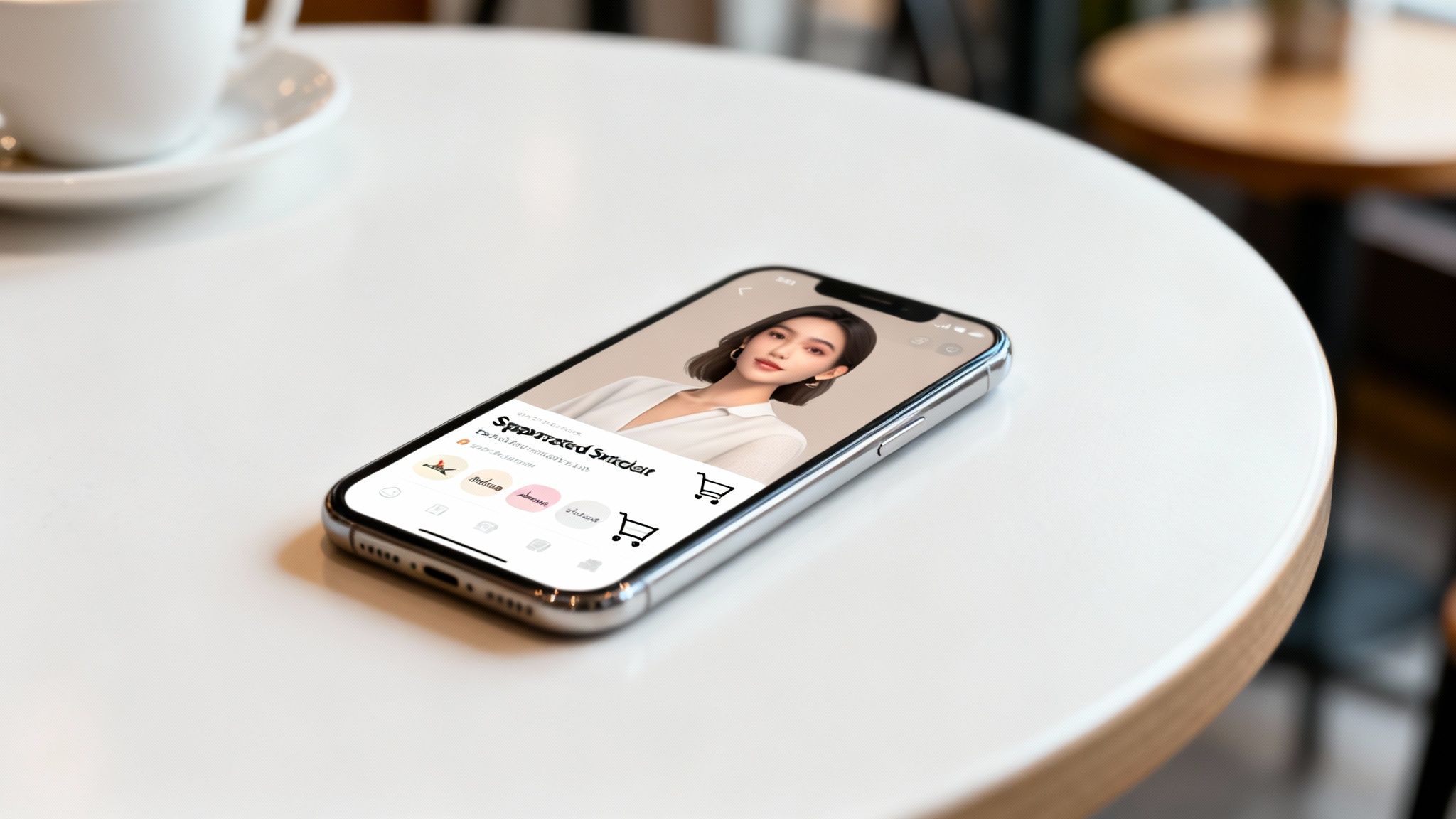
These collaborations are a dream for many brands. Here's why:
Total Message Control: Brands can make sure every single detail of a sponsored post—from the caption to the visual style—is perfectly aligned with their message.
Effortless Global Reach: An AI influencer can kick off a campaign in multiple countries and languages at the same time, a logistical nightmare for a human.
The "Wow" Factor: Working with an AI influencer still feels new and exciting, often drumming up extra media attention and higher engagement.
It's a proven fact: AI-generated influencers can get engagement rates up to three times higher than human influencers. That superior audience connection makes them an incredibly powerful choice for brands that want to make a real impact.
Creating and Selling Digital Products
Beyond sponsorships, many AI influencers generate revenue by selling their own products, both digital and physical. This strategy shifts the influencer from being a marketing vehicle for other brands to becoming a direct-to-consumer brand themselves. The creative possibilities are endless.
Here are a few common ways they do it:
Digital Goods: Selling things like custom photo filters, avatar skins for video games, or exclusive digital art (like NFTs).
Licensed Merch: Partnering with companies to put their face on physical products, from T-shirts and hoodies to phone cases.
Exclusive Content: Offering paid subscriptions for a peek behind the scenes or special tutorials, which creates a steady, recurring income.
This approach builds a much stronger bond with their audience. Fans aren't just passively consuming content; they're actively investing in the influencer's brand. If you're looking to build an income stream from your own online presence, our guide on how to monetize social media is packed with practical tips that work for both virtual and human creators.
The Booming Market for Virtual Influencers
The business case for AI influencers isn't just theory—it's backed by a market that's growing at an incredible speed. The overall influencer market was valued at around $15 billion in 2023 and is on track to hit over $37.8 billion by 2030.
But within that, the AI-driven virtual influencer niche is exploding. China's market alone is expected to grow at a rate of 35.4% every year. You can discover more insights about this rapid market growth and see how the trend is playing out globally.
This massive growth is all thanks to the unique things AI influencers can do. They can be "on" 24/7, appear in multiple campaigns at once, and create marketing opportunities that are simply out of reach for human influencers. This is where the technology connects directly to real, measurable business results.
Navigating the Ethical and Legal Questions
As AI generated influencers pop up more and more, they bring a whole new host of tricky ethical and legal questions with them. While the tech gives creators a ton of freedom, it also cracks open a Pandora's box of issues around honesty, intellectual property, and even how we see ourselves. Getting this right is all about building real trust with your audience, even if your influencer isn't real.
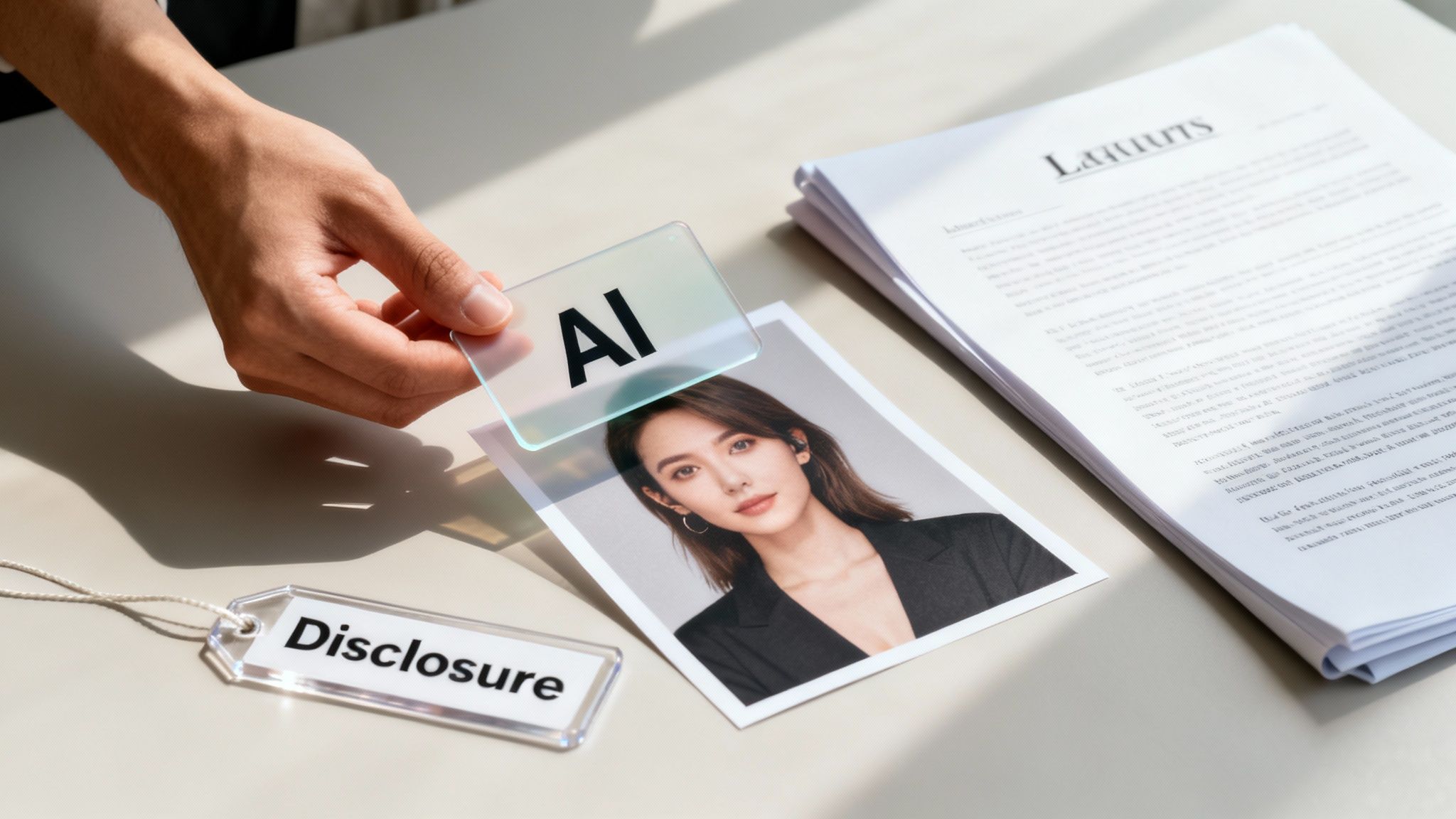
At the heart of it all is one simple idea: disclosure. People follow influencers because they feel a connection, a sense of authenticity. If they have no idea they’re engaging with a character made by a computer, that trust is built on shaky ground. It can feel like a bait-and-switch, damaging the credibility of both the AI persona and any brand they work with.
Promoting Transparency and Honesty
To do this ethically, you have to be upfront. Full stop. It’s not about tricking people; it’s about celebrating the incredible artistry and tech that goes into creating a virtual person. In fact, many of the most successful virtual influencers are totally open about where they come from.
Here are a few solid ways to practice clear disclosure:
Be Obvious in the Bio: Spell it out right in the social media bio. Phrases like "virtual influencer" or "AI character" leave no room for doubt.
Use the Right Hashtags: Make it a habit to include hashtags like #virtualinfluencer, #AI, or #digitalart in your posts.
Make It Part of the Story: Don’t hide their digital nature—lean into it! Weave it into their backstory and make it a unique part of who they are.
This kind of honesty does more than just avoid deceiving your followers. It actually helps build a stronger community of people who are genuinely fascinated by the creativity and technology behind it all.
Addressing Unrealistic Beauty Standards
Another big ethical red flag is how easily AI influencers can reinforce impossible beauty standards. Because you can design them to be "perfect"—flawless skin, ideal body proportions, never aging a day—they can set a bar that's impossible for real people to reach.
Creators have a real responsibility to think about the message they're sending. This means making a conscious effort to design influencers who look more like the diverse, realistic world we actually live in. An AI's appearance is a deliberate choice, and you can choose to push back against harmful stereotypes instead of feeding into them. You can even use a good AI profile picture maker to play around with different looks and ensure your creation promotes a healthier self-image.
The Ownership Question: So, who actually owns an AI influencer? Is it the artist who dreamed up the persona? The programmer who coded the AI? The company that paid for it all? The courts are still figuring this stuff out, and the answers will have huge consequences for copyright and trademark law.
Understanding the Legal Framework
The rulebook for AI influencers is still being written, which can feel like walking through a legal fog. The biggest issues right now are centered on intellectual property and who's on the hook when things go wrong. For example, if an AI influencer says something defamatory or uses copyrighted material, who takes the fall? The lines of responsibility are still pretty blurry.
As these digital personalities become more influential, the content they create could unintentionally land their creators in legal hot water. It’s becoming more important for creators to understand concepts like proving defamation just in case. The smartest move is to get clear ownership contracts and a solid content review process in place from day one. It's the best way to protect yourself and operate responsibly in this new territory.
The Future of Digital Identity and AI Influencers
https://www.youtube.com/embed/Mxi4EEGf-Pc
The world of AI-generated influencers is moving at lightning speed, and what we’re seeing today is really just a glimpse of what’s to come. The next generation of virtual personalities will be all about hyper-realism and real-time interaction, driven by smarter AI that can think on its feet.
Picture this: an AI influencer hosting a live Q&A, answering questions instantly with its own unique voice and personality—no human puppeteer required. That level of spontaneous engagement will blur the lines between digital characters and real people, forging much deeper connections with audiences.
Integration into New Digital Worlds
As digital worlds like the metaverse take shape, AI influencers are practically built to be their first native celebrities. They won't be limited to posting pictures on Instagram. They'll be headlining virtual concerts, giving tours of digital spaces, and hanging out with their followers as fully-formed avatars.
This shift opens up some wild new possibilities for brands and creators:
Immersive Brand Experiences: Imagine a brand's AI ambassador hosting a virtual pop-up shop where you can interact with products in a completely new way.
Virtual Events and Appearances: An AI influencer could walk the runway at a digital fashion show in Paris and then immediately join a tech panel in Tokyo. Their reach is limitless.
Personalized Digital Companions: They might even become AI-powered friends who offer advice, entertainment, or just someone to talk to inside these virtual environments.
The future isn't just about AI influencers living on our screens; it's about them living alongside us in shared digital environments, fundamentally changing how we socialize and connect online.
The Dawn of Autonomous Creators
Looking even further down the road, we’re on the cusp of seeing fully autonomous AI influencers. These won't just be characters with a human team behind them. They’ll be sophisticated AIs that can come up with their own content ideas, write their own scripts, and even manage their own social media communities using real-time feedback.
This is the ultimate evolution of digital identity—a virtual being that can learn, grow, and create all on its own. For marketers, this means campaigns that can literally optimize themselves. For the rest of us, it means a new form of entertainment that is always changing and adapting. The AI influencer of tomorrow won’t just join the conversation; they will start it.
Got Questions About AI Influencers? We've Got Answers.
As AI-generated influencers become more common, it's natural to have a few questions. This whole concept is pretty new, after all. Let's break down some of the big ones to clear things up.
Will AI Influencers Replace Human Influencers?
Honestly, that's not very likely. Think of it less as a replacement and more as a new category of creator.
AI influencers offer brands total control over their message and look, which is a huge plus. But they can’t replicate the genuine, messy, and relatable life experiences that make human influencers so compelling. We connect with people because of their real stories and spontaneous moments, and that's something an AI can't fake.
The future is probably a mix of both. AI influencers will be perfect for specific, highly-controlled campaigns, while human creators will keep building communities around their authentic selves. They simply scratch different itches for brands and audiences.
How Do AI Influencers Actually Interact With Followers?
This is where it gets interesting. They use something called Natural Language Processing (NLP) to chat with their audience. This tech helps them understand comments, DMs, and mentions, allowing them to reply in a way that sounds surprisingly natural.
The secret is that every response is carefully programmed to match their specific personality. This keeps their character consistent and believable, whether they're replying to one person or a thousand at once—a feat no human influencer could ever pull off alone.
Are AI Influencers Ethical?
The big ethical question comes down to one word: transparency. It’s shady to trick an audience into thinking a virtual character is a real human. As long as their AI identity is made clear (usually in their bio), it's generally considered fair game.
But there's another angle to consider. Creators have a responsibility not to push impossible beauty standards. It’s easy to create a "perfect" digital person, so the ethical challenge is to design diverse characters that promote a positive self-image, not just digital perfection.
What's The Price Tag On Creating An AI Influencer?
The cost can be all over the map. A basic AI character, including the initial design and programming, could set you back tens of thousands of dollars.
If you're aiming for a super-realistic virtual influencer with advanced interactive skills, you could be looking at an investment in the hundreds of thousands. And that's just to get started. You also have to factor in the ongoing costs for creating content, running campaigns, and keeping the character relevant.
Ready to build your own digital character without that massive price tag? With YourAIPhotographer, you can train an AI model on your character’s face in minutes. From there, you can generate endless on-brand images for any campaign you can dream of. Start building your virtual presence today at https://youraiphotographer.com/influencers.